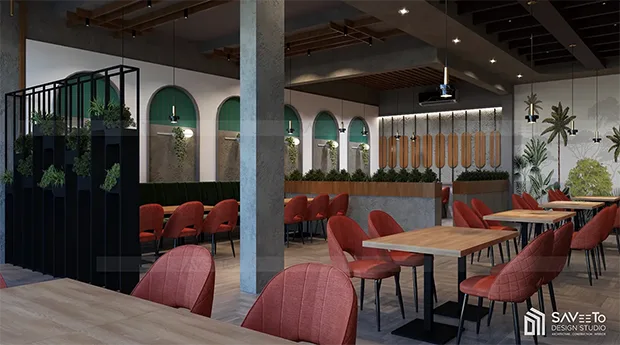
Selecting among the top interior designers in Kollam can be overwhelming when every social media feed displays flawless, high-end interiors. However, a visually striking living room or modular bedroom is only one element of a successful build. The right design professional must also understand your daily family routines, spatial efficiency, budgetary boundaries, joinery durability, and Kerala's coastal climate.
Whether you are furnishing a newly constructed home in Asramam, renovating an ancestral property in Kadappakada, or redesigning a compact kitchen, taking time to evaluate a design team beforehand prevents expensive structural reworks and material failures later.
The ideal interior designer is not necessarily the one with the flashiest 3D renders or the lowest initial quotation. Look for demonstrated residential experience, space planning efficiency, transparent material specifications (such as boiling waterproof and HDMR boards for coastal resistance), clear milestone supervision, and open communication throughout the project.
Why Choosing the Right Interior Designer Matters
Interior design goes well beyond selecting paint palettes, loose furnishings, and decorative artifacts. It is an engineering discipline that harmonizes functional space planning, storage ergonomics, task lighting, electrical layouts, and durable finishes.
A qualified professional helps you:
Maximize square footage: Eliminate dead corners and optimize usable carpet area.
Custom-build storage: Integrate concealed, full-height wardrobes and pantry pull-outs tailored to your belongings.
Streamline circulation: Maintain open, uncluttered walkways between living, dining, and utility zones.
Coordinate lighting scenes: Layer ambient, task, and accent fixtures for both day and night use.
Prevent costly on-site modifications: Finalize electrical, plumbing, and false ceiling drawings before execution begins.
Withstand local weather: Specify humidity-resistant materials that resist warping, delamination, and pest infestations.
A standalone seaside villa requires an entirely different ventilation, paint, and joinery strategy than an inland apartment in central Kollam.
What to Look for in Interior Designers in Kollam
Before committing to a contract, look beyond polished digital renderings and evaluate how a design practice performs in real-world conditions.
1. Verify Relevant Project Experience
Begin by reviewing completed, occupied projects rather than digital concepts. If you are fitting out a private home, prioritize specialized residential interior design in Kollam.
Key areas to inspect:
Foyers and living rooms: Placement of seating to support conversation without obstructing entryways.
Modular kitchens: Layout efficiency based on the work triangle (sink, stove, refrigerator) and high-load hardware.
Bedrooms and wardrobes: Walk-in layouts, internal wardrobe configurations, and integrated study zones.
Dining and utility zones: Integrated wash counters, crockery units, and concealed appliance housing.
Experienced teams understand the everyday challenges of residential living and design around them proactively.
2. Assess Design Compatibility and Versatility
A portfolio might look breathtaking, but ask yourself: “Does this layout suit how my family lives day to day?”
Some firms specialize in minimal Scandinavian lines, while others emphasize contemporary luxury, traditional Kerala woodwork, or industrial accents. Share your design preferences with shortlisted home interior designers in Kollam to evaluate how they adapt your ideas to your home's layout rather than forcing a standard template.
3. Prioritize Space Planning Over Surface Decor
Surface decor cannot correct an awkward floor plan. Before discussing veneer shades or wallpaper, ensure your designer maps out:
Room proportions and minimum clearance zones.
Door, window, and balcony swing clearances.
Concealed electrical provisions for appliances, entertainment consoles, and AC indoor units.
Natural daylight pathways and cross-ventilation flow.
Well-planned spatial zoning makes an interior feel calm, spacious, and intuitive even before loose furniture arrives.
4. Demand Clear Material Specifications
Materials directly dictate the lifespan, maintenance routines, and safety of your interiors especially in Kollam’s humid, coastal environment.
Ask your designer to specify:
Core materials: Is the cabinetry built with BWP (Boiling Water Proof) Marine Ply, HDMR (High-Density Moisture Resistant) boards, or commercial particleboard?
Surface finishes: Are you getting anti-fingerprint acrylic, high-pressure laminates, natural wood veneer with PU polish, or direct paint?
Hardware and fittings: Are drawer channels, soft-close hinges, and lift-up systems backed by brand warranties (e.g., Hafele, Hettich, or Blum)?
Clear material sheets prevent inferior substitutions during site execution.
The Standard Interior Design Workflow
A reliable firm follows a transparent, multi-stage delivery process:
Initial Briefing & Site Measurement: Documenting structural dimensions, beam drops, and window positions.
2D Space Planning: Finalizing furniture arrangements, circulation routes, and functional zones.
Concept & 3D Visualization: Reviewing realistic renders detailing color palettes, textures, and custom joinery.
Production & MEP Drawings: Supplying electrical point charts, plumbing layouts, and carpentry detailing.
Execution & Periodic Supervision: Tracking on-site carpentry, modular installations, and painting finishes through final snagging.
How to Compare Interior Design Quotations
The lowest quote rarely delivers the best long-term value. A lower estimate often omits vital expenses such as soft-close fittings, edge-banding quality, electrical modifications, or site supervision.
Questions to ask before signing:
Does the quote cover interior design, 2D working drawings, and 3D perspectives?
Are hardware mechanisms (hinges, drawer channels, tandem boxes) itemized by brand and model?
Who handles local authority coordination or apartment society permissions if required?
What is the timeline for design sign-off versus on-site factory manufacturing and installation?
What warranty coverage applies to modular cabinetry and joinery?
Why Budget Transparency Matters from Day One
Be open about your investment range during the first consultation. A clear budget allows an experienced designer to allocate funds strategically—investing in high-traffic areas like modular kitchens and living room paneling, while opting for cost-effective, durable solutions in guest bedrooms and utility zones.
Finding the Best Interior Designers in Kollam
When researching local design practices:
Shortlist 3 to 5 practices: Compare their signature styles, technical capabilities, and execution models.
Visit ongoing or completed sites: Inspect the precision of edge banding, drawer alignments, paint finishes, and laminate joints in person.
Check client references: Ask past homeowners about project timeline adherence, cost predictability, and how unexpected site challenges were handled.
Where Saveeto Fits In
Saveeto approaches interior design as an extension of architecture ensuring that interior layouts, natural light, joinery, and structural elements work together seamlessly.
From customized residential interiors in Kollam to high-performance commercial fit-out.
Frequently Asked Questions
How do I choose an interior designer in Kollam?
Shortlist licensed firms with completed local residential portfolios. Evaluate their space planning skills, transparency regarding core materials (such as BWP plywood or HDMR), detailed working drawings, and on-site inspection commitments.
How much do interior design services cost in Kollam?
Interior costs vary widely based on property area, chosen materials, and custom joinery requirements. Standard residential packages typically range from a per-square-foot design fee to turnkey execution costs covering modular units, false ceilings, electrical work, and painting. Always insist on an itemized estimate.
What core materials work best for home interiors in Kerala's climate?
Due to high humidity, kitchens and vanity zones should use BWP Marine Plywood (IS 710 grade) or HDMR boards. Living and bedroom storage can utilize BWR or high-density boards with proper 2mm PVC edge banding to seal against moisture.
Should I hire an interior designer while the house is still under construction?
Yes. Engaging an interior designer during the brickwork or plastering stage allows you to position electrical conduits, plumbing lines, switches, and ceiling drops accurately, avoiding costly civil modifications later.
How long does a typical home interior project take to complete?
A full-home interior project generally takes 6 to 12 weeks from finalized 3D designs and working drawings, depending on the scale of custom carpentry, false ceiling detailing, and modular factory lead times.