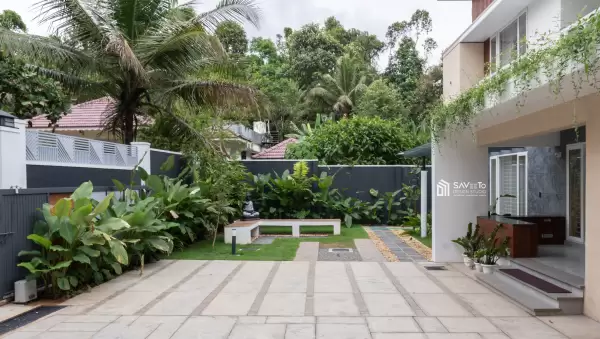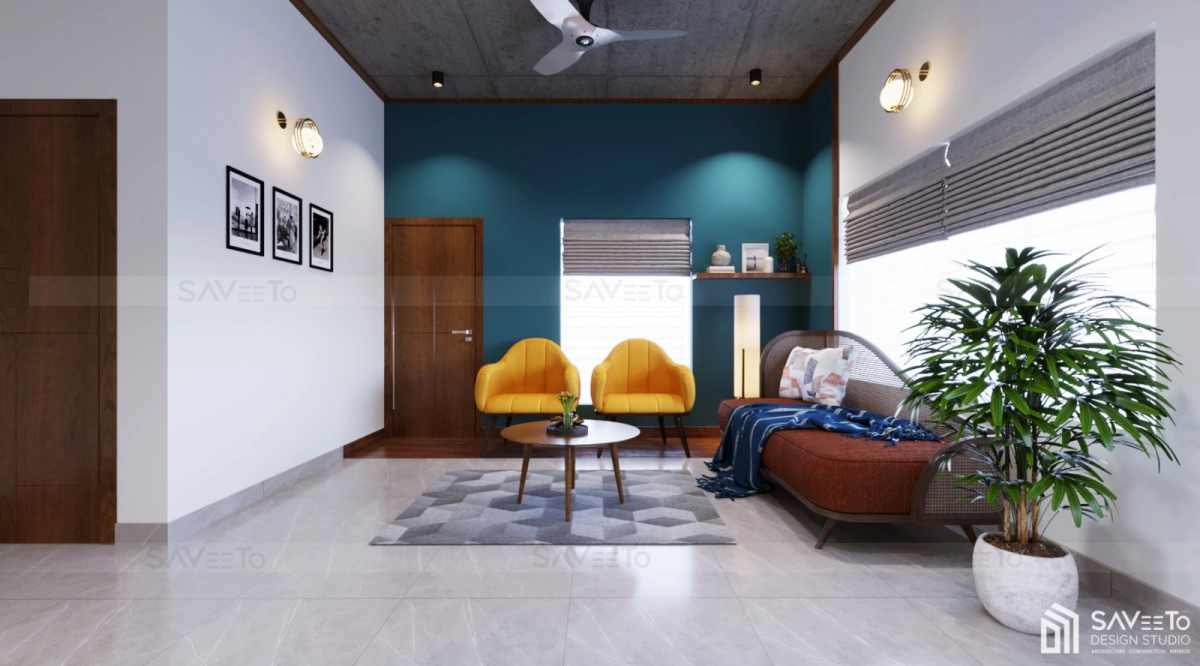
Modern living has evolved beyond sleek minimalism and smart technology; the true hallmark of contemporary luxury is environmental consciousness. As homeowners seek spaces that nurture well-being without depleting natural resources, integrating sustainable interior design ideas into a new build or renovation has shifted from an optional trend to an essential design standard. A green interior does not require sacrificing refinement, when executed through thoughtful material curation, intelligent spatial planning, and energy-conscious detailing, sustainable design elevates everyday living while significantly reducing your carbon footprint.
Whether designing an urban penthouse or a tropical retreat, here is an architect’s guide to curating a sophisticated, environmentally resilient, and healthy modern interior.
1. Prioritize Low-VOC and Natural Wall Finishes
Indoor air quality (IAQ) is frequently two to five times more polluted than outdoor air, largely due to volatile organic compounds (VOCs) off-gassing from conventional synthetic paints, primers, and adhesives.
The Problem: Standard solvent-based paints and synthetic wall panels release formaldehyde and benzene into living spaces for months or years after application.
The Sustainable Strategy: Select zero-VOC or ultra-low-VOC natural emulsions, water-based finishes, and mineral paints.
Lime Plaster & Microcement: Natural lime plasters, Roman clay, and breathable microcement create tactile, organic wall textures while actively inhibiting mold growth through natural alkaline properties.
Clay Paints: Breathable, non-toxic, and moisture-regulating, earth-based clay paints absorb ambient humidity and neutralize household odors.
2. Source Responsibly Harvested and Rapidly Renewable Materials
Flooring, architectural millwork, and wall paneling consume substantial timber reserves. Shifting to certified sustainable forestry and rapidly renewable alternatives ensures your interiors do not contribute to deforestation.
FSC-Certified Hardwoods: If specifying natural timber (such as teak, white oak, or walnut), ensure it carries Forest Stewardship Council (FSC) certification, verifying responsible harvesting and replenishment cycles.
Engineered Bamboo: Bamboo regenerates in three to five years without requiring replanting, offering tensile strength comparable to steel and superior dimensional stability for contemporary flooring and cabinetry.
Cork Wall and Floor Coverings: Harvested strictly from the outer bark of the cork oak tree without cutting down the tree itself, cork acts as a renewable carbon sink with exceptional acoustic insulation and thermal warmth.
3. Embrace Reclaimed Architectural Elements and Upcycled Craft
Incorporating salvaged materials infuses a modern home with narrative richness and visual contrast while keeping dense materials out of landfills.
Reclaimed Wood Beams & Decking: Salvaged railway sleepers, old structural rafters, and reclaimed barn timber make striking ceiling accents, bespoke dining tables, or powder room vanity counters.
Terrazzo and Crushed Stone Surfacing: Traditional terrazzo utilizes discarded marble fragments, recycled granite chips, and river pebbles bound in a cementitious matrix providing a seamless, ultra-durable, and circular countertop solution.
Metal and Hardware Restoration: Re-machining vintage brass fittings, ironmongery, and antique door panels introduces artisanal craftsmanship into otherwise sleek, rectilinear contemporary spaces.
4. Integrate Biophilic Architecture for Passive Well-Being
Biophilic design establishes a visceral connection between inhabitants and the natural ecosystem. Beyond placing potted plants on window ledges, a truly biophilic modern interior integrates living elements into the spatial framework of the home.
Internal Courtyards & Atriums: Central courtyard voids (nadumuttam style or sunlit skylit wells) pull natural light deep into the building core, dramatically reducing artificial daytime illumination demands.
Living Walls and Water Features: Indoor vertical gardens integrated with automated drip-irrigation systems naturally filter air pollutants, regulate interior humidity levels, and soften acoustic reverberation in open-plan layouts.
Natural Texture Layering: Pair rough-hewn stone masonry, woven jute or coir rugs, and unbleached organic linen drapery to simulate outdoor sensory textures indoors.
5. Implement Passive Thermal Zoning and Natural Daylight Harvesting
Energy consumed by HVAC and artificial lighting accounts for the majority of a home’s operational carbon footprint. Optimizing your interior layout around passive design principles is the foundation of energy-efficient interior design.
Strategic Window Shading: Incorporate louvered timber shutters, deep window reveals, and high-performance low-emissivity (Low-E) double glazing to deflect infrared solar heat gain while preserving daylight transmission.
Clerestories & Transom Openings: High-level wall vents and operable transom panels promote the "stack effect," allowing warm rising air to vent out while drawing cooler cross-breezes across living zones.
Thermal Mass Integration: Polished concrete floors and exposed stone accent walls absorb ambient coolness overnight and buffer radiant daytime heat, naturally stabilizing indoor temperatures.
6. Curate Smart, Multi-Tiered LED and Sensor Lighting
Light design should balance visual ambiance with strict energy conservation. Outdated halogen fixtures waste up to 90% of their energy as heat.
High-CRI LED Fixtures: Specify LEDs with a high Color Rendering Index (CRI > 90) and warm color temperatures (2700K–3000K) to render interior colors accurately while consuming up to 80% less electricity than incandescent equivalents.
Automated Architectural Controls: Incorporate smart dimmer systems, astronomical timers, and motion-sensing occupancy controls for transitional spaces (stairwells, walk-in closets, utility corridors) to eliminate passive energy waste.
Task-First Lighting Plans: Direct illumination strictly where functional activities occur—such as under-counter magnetic LED strips in kitchens and directional articulated sconces by desks—avoiding uniform, energy-draining floodlighting across entire ceilings.
7. Select Non-Toxic, Circular Furnishings
Much of contemporary mass-market furniture relies on medium-density fiberboard (MDF) loaded with urea-formaldehyde binders, polyurethane foam, and petroleum-derived polyester upholstery.
Solid-Joinery Modular Furniture: Invest in bespoke, modular furniture crafted from solid wood joined with mechanical wood-to-wood joinery (mortise and tenon) rather than synthetic chemical glues. Modular pieces can be disassembled, repaired, and reconfigured as your spatial needs evolve.
Organic Natural Textiles: Choose upholstery and window dressings woven from GOTS-certified organic cotton, raw linen, hemp, nettle fiber, or pure sheep's wool. These fibers are naturally fire-retardant, hypoallergenic, and completely biodegradable at the end of their lifecycle.
Natural Latex Cushioning: Replace petrochemical-based polyurethane foam seating with natural organic latex (derived from the sap of rubber trees), which offers ergonomic support without off-gassing harmful chemicals.
8. Engineer Water-Conserving Fixtures into Wet Zones
Bathrooms and kitchens represent significant resource consumption points. Contemporary plumbing technology allows modern homes to dramatically lower water consumption without sacrificing water pressure or sensory comfort.
Aerated Fixtures and Low-Flow Mixers: Install aerating sink faucets and showerheads that inject microscopic air bubbles into the water stream, cutting water volume consumption by up to 50% while delivering a robust, tactile flow.
Dual-Flush & Sensor-Activated Systems: Concealed dual-flush cisterns (3-liter short flush / 4.5-liter full flush) and touchless sensor kitchen taps minimize accidental water waste.
PEX Plumbing & Graywater Separation: Utilize recyclable cross-linked polyethylene (PEX) piping for water delivery to limit thermal loss along hot-water runs, and design segregated plumbing rough-ins that route sink and shower graywater directly to landscape sub-surface irrigation.
Quick Reference: Sustainable Materials vs. Conventional Alternatives
Frequently Asked Questions (FAQs)
Does sustainable interior design cost significantly more upfront?
While certain eco-friendly interior finishes (such as lime plaster, FSC-certified hardwoods, or custom-milled reclaimed timber) carry a higher upfront material or craft cost, they deliver superior durability, lower maintenance requirements, and substantially lower utility bills over time. Selecting durable, non-toxic materials prevents frequent replacements, reducing lifecycle ownership costs.
What is the easiest way to begin making a home interior more sustainable?
The fastest, most accessible entry point is upgrading to a multi-tiered LED lighting strategy with smart dimming, replacing synthetic window dressings with breathable unbleached linen or cotton to regulate natural light, and applying zero-VOC mineral paints on primary living room walls to immediately improve indoor air quality.
Connect with Saveeto Architects to explore architectural space planning, biophilic concepts, and bespoke interior design tailored to your lifestyle.