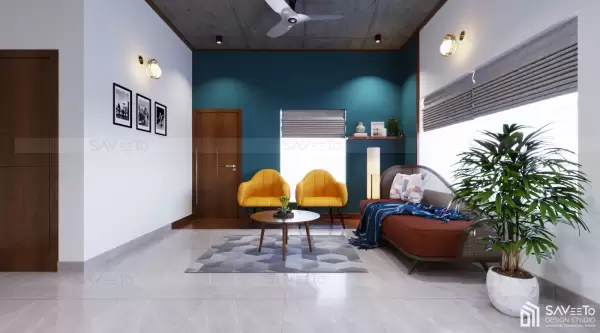
The hospitality industry is evolving rapidly, with hotels, resorts, restaurants, and luxury stays focusing heavily on guest experience, operational efficiency, and modern design. However, executing a successful hospitality project is far more complex than developing a standard commercial or residential building.
From design coordination and budget management to construction timelines and operational planning, hospitality projects involve multiple moving parts that require strategic execution. Whether it is a boutique resort in Kerala or a luxury business hotel in a metropolitan city, even small delays or planning errors can significantly impact profitability and project success.
In this blog, we explore the most common challenges in hospitality project execution and the practical solutions that help developers, architects, and project teams deliver successful hospitality spaces.
Why Hospitality Projects Are More Complex
Hospitality projects are unique because they combine architecture, interiors, operations, branding, customer experience, and functionality into a single development process.
Unlike regular buildings, hospitality spaces must:
Deliver exceptional guest experiences
Maintain operational efficiency
Reflect brand identity
Meet safety and compliance standards
Optimize long-term profitability
This makes planning and execution far more detailed and demanding.
Projects such as resorts, hotels, serviced apartments, cafes, and wellness retreats require careful coordination between architects, interior designers, consultants, contractors, and operational teams. Modern Hospitality Architecture & Interior Design Projects demand a balance between luxury, functionality, and long-term operational performance.
1. Delays in Project Timelines
One of the biggest challenges in hospitality project execution is construction delay. Delays can impact project launch dates, increase costs, and affect future revenue generation.
Common Causes
Design revisions during construction
Delayed approvals and permits
Poor contractor coordination
Material shortages
Weather-related interruptions
Lack of project planning
Hospitality projects often involve complex interiors and customized spaces, which increase execution time if planning is not streamlined.
Solutions
Create a detailed project timeline before execution
Use phased construction planning
Finalize designs before construction starts
Maintain regular coordination meetings
Work with experienced hospitality architects and consultants
Use project management tools for tracking progress
Efficient planning and communication are critical for avoiding costly delays.
2. Budget Overruns and Cost Escalation
Budget management is another major challenge in hospitality construction projects. Frequent design modifications, premium material selections, and unforeseen site conditions can quickly increase costs.
Common Reasons for Cost Overruns
Incomplete budgeting during planning
Last-minute design changes
Poor material estimation
Rising labor and material costs
Delays causing extended project expenses
Luxury hospitality projects are particularly vulnerable because they often involve custom interiors, imported finishes, and high-end amenities.
Solutions
Prepare realistic project cost estimates
Allocate contingency budgets
Prioritize value engineering
Finalize materials early
Conduct regular cost audits
Avoid unnecessary mid-project modifications
A strong financial strategy ensures smoother execution and long-term project viability.
3. Poor Space Planning and Guest Experience Issues
Hospitality spaces must balance aesthetics with functionality. Poor planning can negatively affect guest comfort, staff efficiency, and operational workflow.
Common Space Planning Mistakes
Inefficient circulation paths
Small service areas
Poor kitchen planning
Inadequate storage
Lack of privacy
Improper room layouts
In hotels and resorts, every space directly influences customer satisfaction.
Solutions
Focus on guest journey mapping
Design functional circulation systems
Create efficient back-end operations
Optimize room layouts for comfort
Ensure proper zoning between public and private areas
Collaborate closely with hospitality operators
Good hospitality architecture improves both operational performance and guest experience.
4. Difficulty Maintaining Brand Identity
Hospitality projects are highly experience-driven. The design must reflect the brand’s identity and create a memorable atmosphere for guests.
However, many projects struggle with inconsistent branding during execution.
Challenges
Disconnect between architecture and interiors
Inconsistent design themes
Generic guest experiences
Lack of visual storytelling
Solutions
Define brand identity early in the project
Create detailed design guidelines
Use cohesive materials and finishes
Integrate local culture and context
Maintain consistency across all guest spaces
Strong branding helps hospitality businesses stand out in a competitive market.
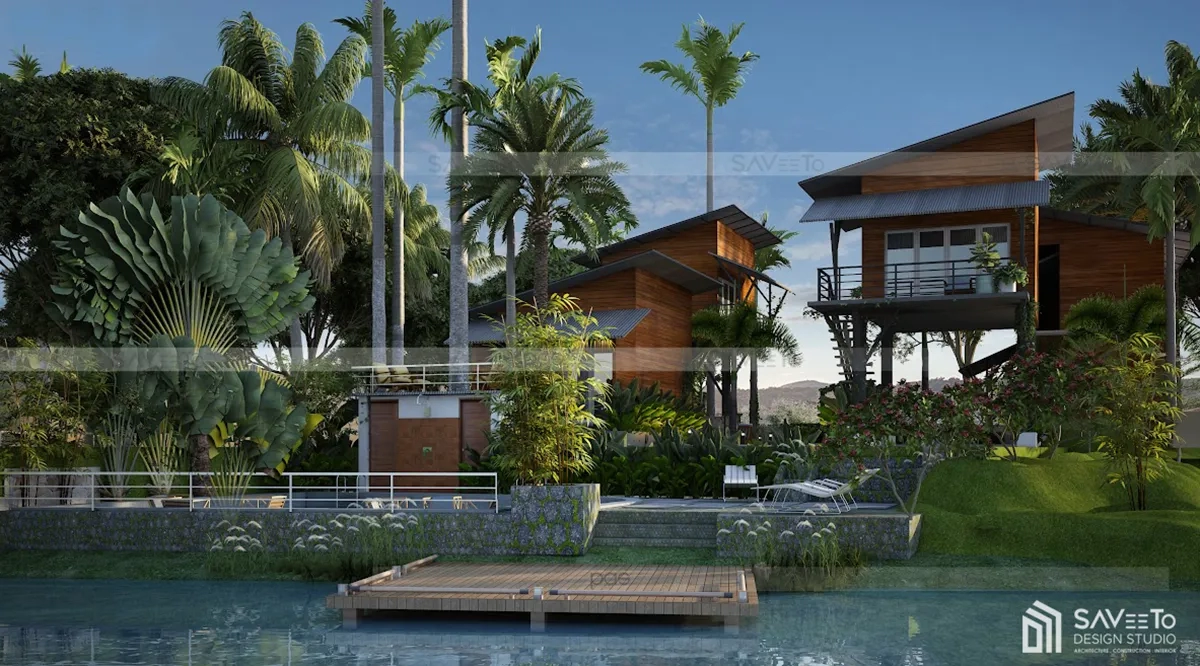
Projects like Silent River Resort: Hospitality Project in Thalayolaparambu, Kerala demonstrate how architecture and interiors can work together to create immersive guest experiences rooted in local identity.
5. Coordination Between Multiple Teams
Hospitality projects involve several stakeholders, including:
Architects
Interior designers
MEP consultants
Landscape designers
Contractors
Hotel operators
Vendors
Poor communication between teams can create confusion, delays, and execution errors.
Solutions
Conduct regular coordination meetings
Use centralized project documentation
Assign clear responsibilities
Maintain transparent communication channels
Use BIM and digital collaboration tools
Efficient coordination improves project quality and reduces rework.
6. Challenges in MEP and Technical Integration
Hospitality buildings require advanced MEP (Mechanical, Electrical, and Plumbing) systems for smooth operation.
Poor technical planning can lead to:
High maintenance costs
Energy inefficiency
Guest discomfort
Operational disruptions
Critical Areas
HVAC systems
Kitchen ventilation
Plumbing systems
Fire safety
Electrical load management
Smart automation systems
Solutions
Integrate MEP planning during early design stages
Conduct technical coordination reviews
Use energy-efficient systems
Ensure proper maintenance access
Invest in smart building technology
Well-planned technical systems improve operational efficiency and long-term sustainability.
7. Sustainability and Environmental Concerns
Modern hospitality projects are increasingly expected to follow sustainable construction practices.
However, balancing sustainability with luxury and operational efficiency can be challenging.