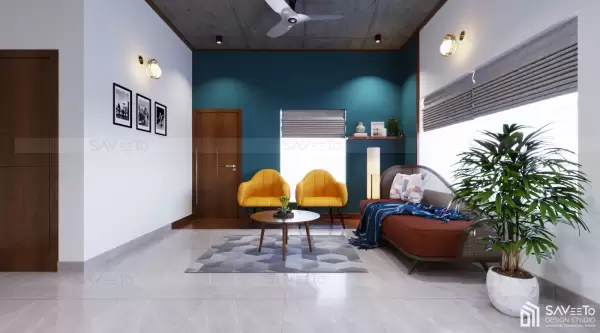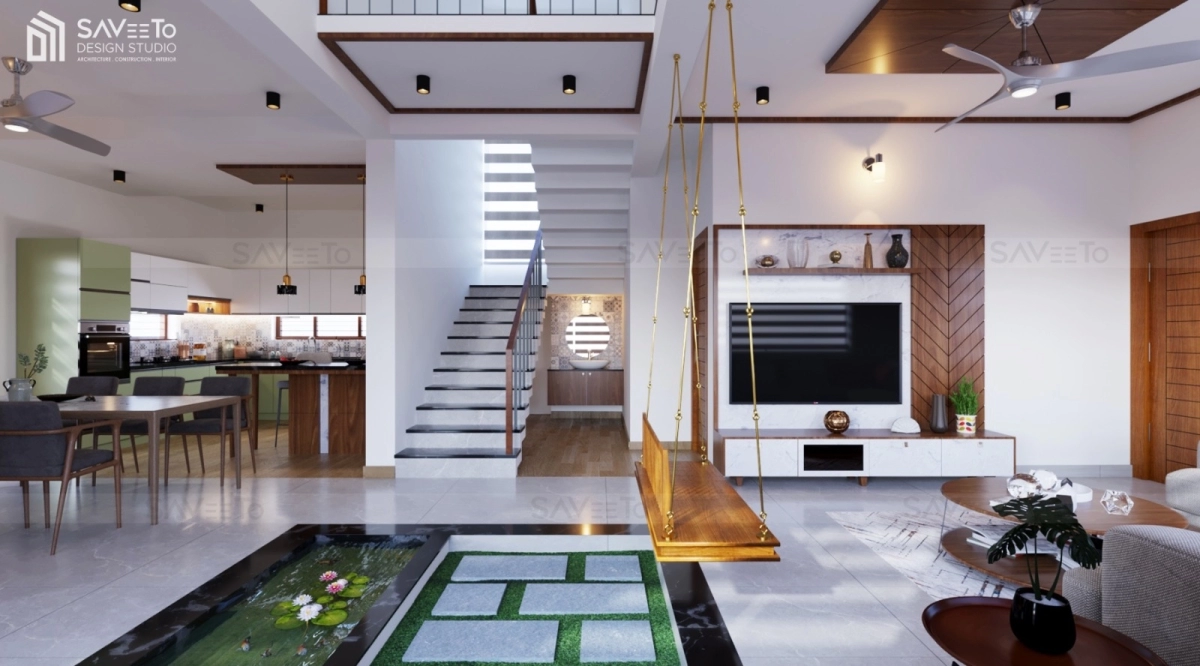
A beautifully designed home is not just about attractive interiors or modern architecture. The true success of a residential space depends on how efficiently every area is planned and utilized. This is where space planning becomes one of the most important aspects of residential architecture.
Good space planning ensures that a home feels comfortable, functional, spacious, and practical for everyday living. Whether it is a compact urban apartment or a luxury villa, the way spaces are organized directly affects lifestyle, movement, storage, privacy, and overall living experience.
In modern residential architecture, homeowners are increasingly focusing on smart layouts that maximize functionality without compromising aesthetics. Proper space planning helps create homes that are visually appealing while also supporting the daily needs of families.
In this blog, we explore why space planning is important in residential architecture and how it influences modern home design.
What Is Space Planning in Residential Architecture?
Space planning is the process of organizing interior spaces to ensure efficient functionality, movement, comfort, and usability. It involves deciding how rooms connect, how furniture fits, how people move through spaces, and how natural light and ventilation flow throughout the home.
A well-planned home considers:
Room dimensions
Furniture placement
Circulation pathways
Storage requirements
Privacy zones
Natural lighting
Ventilation
Lifestyle needs
The goal is to create a balanced living environment where every square foot serves a meaningful purpose.
Modern Architects focus heavily on intelligent space planning to create homes that are practical, elegant, and future-ready.
1. Improves Functionality of the Home
One of the primary benefits of space planning is improved functionality. A home should support daily activities smoothly and efficiently.
Without proper planning, homeowners may experience:
Congested layouts
Wasted spaces
Poor furniture arrangement
Difficult movement between rooms
Limited storage
Effective residential architecture ensures that spaces are designed according to the lifestyle needs of the occupants.
For example:
Kitchens are positioned for better workflow
Bedrooms provide privacy and comfort
Living areas encourage social interaction
Utility spaces remain easily accessible
Functional layouts improve the overall living experience and make homes more practical for long-term use.
Many modern Architecture projects now prioritize user-focused layouts that improve comfort and everyday functionality.
2. Maximizes Available Space
Modern homes, especially urban residences, often have limited square footage. Smart space planning helps maximize every inch of available space without making interiors feel crowded.
Architects use various techniques such as:
Open floor layouts
Multi-functional furniture spaces
Built-in storage
Minimal circulation wastage
Flexible room designs
Efficient layouts create a sense of spaciousness even in compact homes.
This is especially important in contemporary apartments and small residential plots where optimizing usable space becomes essential.
3. Enhances Natural Light and Ventilation
Good space planning improves access to natural light and cross ventilation throughout the home.
Poorly planned layouts can result in:
Dark interiors
Poor airflow
Increased heat buildup
Higher energy consumption
Residential architects strategically position rooms, windows, and openings to improve:
Daylight penetration
Air circulation
Thermal comfort
Indoor air quality
In tropical climates like Kerala, proper ventilation and natural cooling are critical for creating comfortable living spaces.
Homes with better lighting and airflow also feel healthier, brighter, and more inviting.
4. Creates Better Circulation and Movement
Circulation refers to how people move within a home. Poor circulation planning can make interiors feel cramped and inconvenient.
Space planning ensures:
Smooth movement between rooms
Comfortable access to furniture
Efficient room connectivity
Clear pathways without obstruction
For example:
Living spaces connect naturally to dining areas
Kitchens remain accessible without disrupting movement
Private zones remain separated from public areas
Good circulation planning creates a seamless and comfortable living environment.
5. Supports Privacy and Comfort
A well-designed home balances social interaction with personal privacy. Proper space planning helps organize public, semi-private, and private zones effectively.
Examples include:
Bedrooms positioned away from noisy areas
Guest spaces separated from family zones
Private balconies connected to bedrooms
Home offices placed in quieter sections
Privacy-focused planning improves comfort and enhances the overall functionality of residential spaces.
This becomes increasingly important in modern homes where people work, study, and relax within the same environment.
6. Improves Storage Efficiency
Storage is often overlooked during residential design, leading to cluttered interiors and poor organization.
Good space planning integrates storage seamlessly into the architecture through:
Built-in wardrobes
Under-stair storage
Modular kitchen cabinets
Utility storage areas
Wall-mounted storage systems
Efficient storage solutions help maintain clean and organized interiors while maximizing usable floor space.
Modern residential architecture prioritizes hidden and multifunctional storage systems for a clutter-free lifestyle.
7. Increases Property Value
Homes with efficient layouts and thoughtful space utilization often have higher market value.
Buyers and homeowners prefer properties that offer:
Functional room layouts
Spacious interiors
Good lighting and ventilation
Smart storage solutions
Flexible living spaces
Well-planned residential spaces also create a stronger emotional connection with potential buyers because they feel more comfortable and practical.
Good architecture and space planning can significantly improve the long-term value of a property.
A strong Design Portfolio often showcases homes with efficient layouts and well-balanced living spaces that attract modern homeowners.
8. Helps Achieve Aesthetic Balance
Space planning is not only about functionality. It also influences visual balance and interior aesthetics.
Properly planned homes feel:
More spacious
Better organized
Visually harmonious
Comfortable and inviting
Architects carefully balance:
Furniture proportions
Ceiling heights
Spatial flow
Lighting design
Open and closed spaces
This creates interiors that are both functional and visually appealing.
Modern residential design focuses heavily on minimalist layouts and clutter-free interiors, making space planning more important than ever.
9. Enables Flexible and Future-Ready Homes
Lifestyle needs to change over time. Modern homes require flexibility to adapt to future requirements such as:
Remote working
Growing families
Aging residents
Multi-purpose rooms
Smart space planning allows spaces to evolve without major renovations.
Examples include:
Convertible guest rooms
Flexible study areas
Expandable living spaces
Multi-functional furniture zones
Future-ready homes offer better long-term usability and convenience.
10. Improves Energy Efficiency
Efficient space planning contributes to sustainable and energy-efficient residential architecture.
By optimizing: