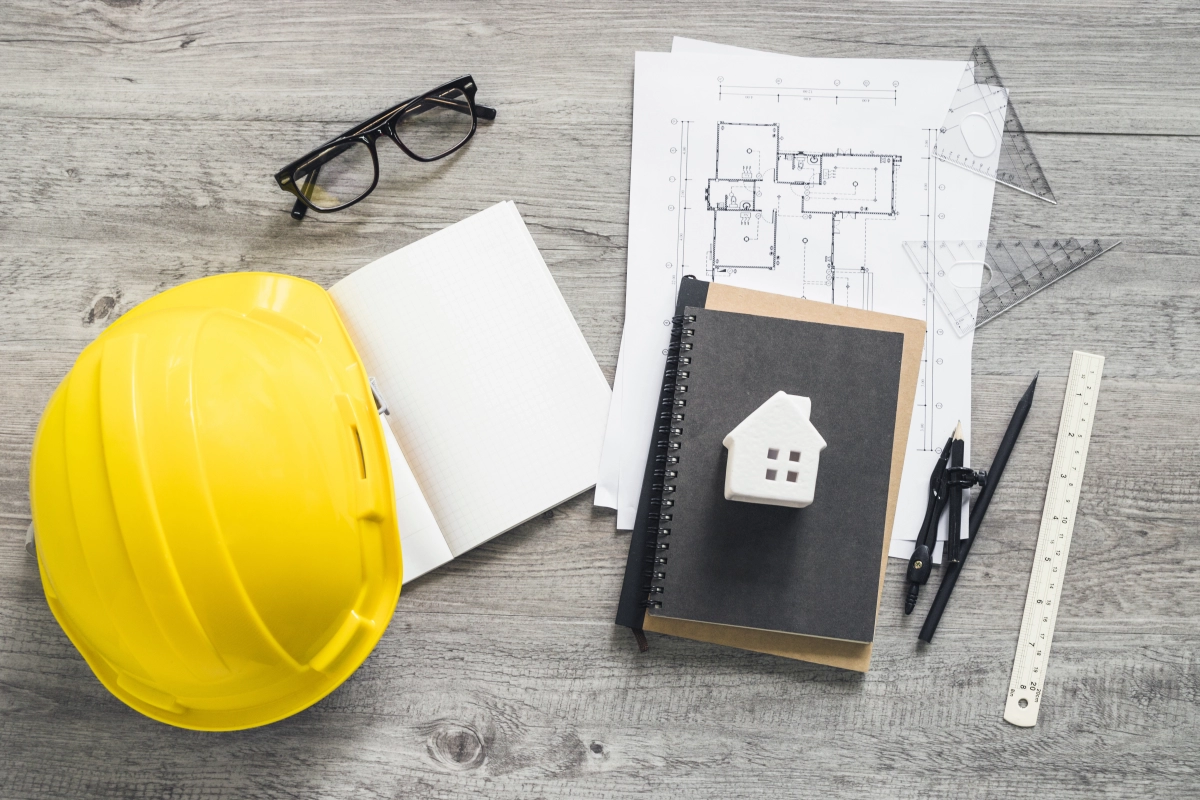
Construction quality control is the process architects use to make sure a building is constructed exactly as planned, safely, and with long lasting performance. In Kerala, where climate, soil conditions, and workmanship vary widely, architects play a critical role in monitoring materials, workmanship, execution methods, and coordination on site. Through structured inspections, drawings, checklists, and on site supervision, architects ensure that what gets built matches approved designs and quality standards.
Architects ensure quality during construction by following a clear construction quality control plan, conducting regular site inspections, verifying materials and workmanship, coordinating with contractors, and correcting issues early. Their involvement ensures safety, durability, and value for the property owner.
What Is Quality Control in Construction?
Quality control in civil construction refers to the systematic process of checking whether construction work meets approved drawings, specifications, and safety standards.
It includes:
- Verifying materials used on site
- Inspecting workmanship at each stage
- Ensuring construction follows drawings
- Preventing defects and rework
- Maintaining structural and functional integrity
For homeowners in Kerala, quality control is especially important due to high rainfall, humidity, and long term exposure to moisture.
Why Quality Control Is Important in Construction
Quality control is not just about appearance. It affects the entire lifespan of the building.
Key reasons why quality control is important in construction:
- Prevents structural failures
- Reduces maintenance costs
- Improves safety for occupants
- Ensures compliance with building codes
- Protects the homeowner’s investment
- Avoids expensive repairs later
Without proper quality control, even good designs can fail during execution.
Role of Architects in Construction Quality Control
Architects act as the link between design and execution. Their role goes beyond drawing plans.
1. Preparing Clear and Detailed Drawings
Architects provide precise drawings that define dimensions, materials, levels, and finishes. Clear drawings reduce confusion and mistakes on site.
2. Creating a Construction Quality Control Plan
A construction quality control plan outlines:
- Inspection stages
- Material specifications
- Testing requirements
- Approval procedures
- Responsibilities of each party
This plan ensures quality is checked at every stage, not only at completion.
3. Material Verification and Approval
Architects verify materials before use, including:
- Cement grades
- Steel reinforcement
- Concrete mix design
- Bricks and blocks
- Waterproofing materials
- Finishes and fixtures
In Kerala, material selection is critical due to moisture and coastal conditions.
Quality Control During Construction Stages
Foundation Stage
Architects check:
- Soil conditions
- Excavation depth
- Footing dimensions
- Reinforcement placement
- Concrete pouring methods
Errors at this stage can compromise the entire structure.
Structural Stage
During slab and column work, architects ensure:
- Correct steel quantity and spacing
- Proper shuttering and alignment
- Concrete quality and curing
- Compliance with structural drawings
This stage is crucial for safety and load bearing capacity.
Masonry and Plastering Stage
Quality control includes:
- Block alignment and bonding
- Mortar consistency
- Vertical and horizontal levels
- Plaster thickness and finish quality
Poor workmanship here affects both strength and appearance.
Waterproofing and Services
Architects closely monitor:
- Bathroom waterproofing
- Terrace waterproofing
- Plumbing and electrical routing
- Proper slopes for drainage
Water leakage is one of the most common issues in Kerala homes and must be addressed at this stage.
Finishing Stage
Final inspections cover:
- Flooring alignment
- Door and window installation
- Paint and polish quality
- Fixture placement
- Overall workmanship
Quality Control in Turnkey Construction
In turnkey projects, architecture, construction, and interiors are handled by one team. This approach allows tighter quality control.
At Saveeto, quality control is integrated into every stage of execution. Since design and construction teams work together, errors are identified and resolved faster, resulting in smoother project delivery.
Common Quality Issues Architects Prevent
Through regular monitoring, architects help prevent:
- Structural cracks
- Water seepage
- Poor ventilation
- Uneven flooring
- Electrical and plumbing conflicts
- Premature material failure
Preventing these issues saves homeowners time and money.
Quality construction does not happen by chance. It requires planning, supervision, and accountability at every stage.
If you are planning a construction project in Kerala, do not leave quality to chance. Work with a professional team that prioritises construction quality control from design to execution.
Saveeto offers integrated architecture, construction, and turnkey solutions with strong quality control at every stage. Speak to an experienced team and build with confidence.