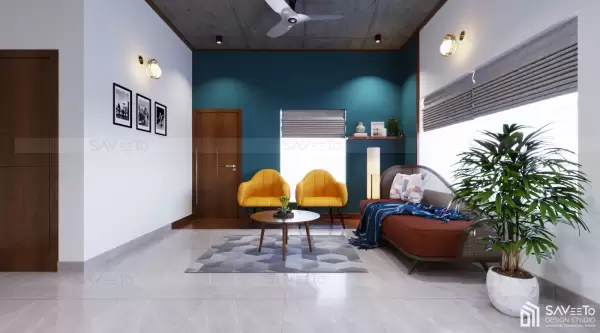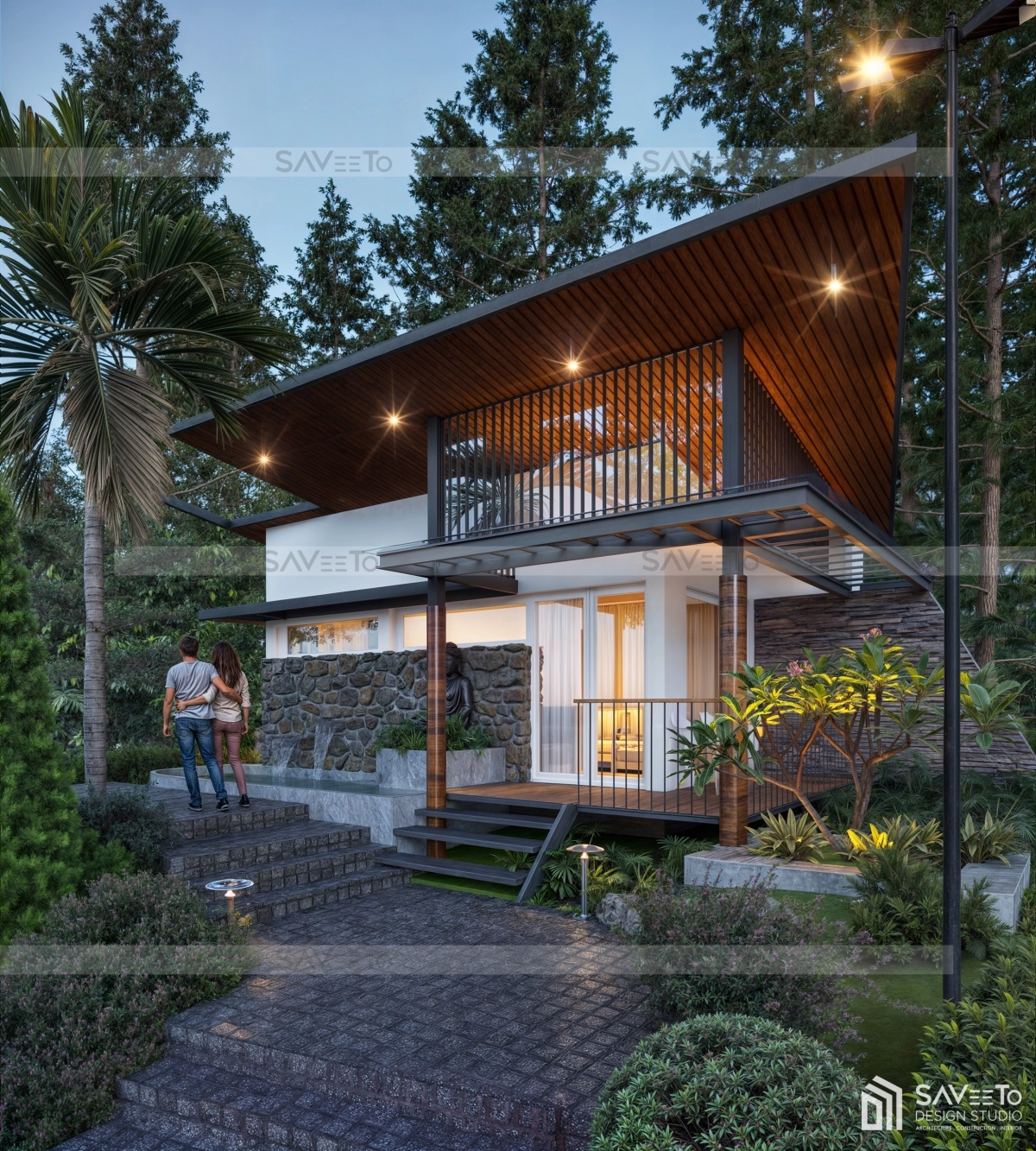
Creating a memorable guest experience begins long before exceptional service, it starts with the space itself. Hospitality interior design services help hotels, restaurants, cafés, resorts, and boutique accommodations create welcoming environments that attract guests, strengthen brand identity, and encourage repeat visits.
Whether you're planning a new hospitality project or renovating an existing property, investing in professional commercial design can significantly improve customer satisfaction and business performance. In this comprehensive guide, you'll learn what hospitality interior design involves, why it matters, the latest trends, common mistakes to avoid, and how to choose the right design partner for your project.
What Are Hospitality Interior Design Services?
Hospitality interior design services involve planning, designing, and furnishing commercial spaces such as hotels, restaurants, resorts, cafés, and lounges to improve guest comfort, functionality, aesthetics, and brand identity. The goal is to create cohesive spaces that enhance customer experiences while supporting operational efficiency and long-term business success.What Is Hospitality Interior Design?
Hospitality interior design is the specialized field of designing commercial spaces where guests stay, dine, relax, or socialize. Unlike residential interiors, hospitality spaces must delicately balance visual appeal, extreme durability, operational efficiency, accessibility, and customer psychology.
Every design decision, from lighting schemes and furniture ergonomics to raw materials and traffic circulation, directly influences how guests perceive your business. Imagine entering two hotels with similar room rates: one feels warm, elegant, and layout-conscious, while the other appears outdated and cluttered. In almost every scenario, interior design becomes the ultimate deciding factor for booking.
Why Is Hospitality Interior Design Important?
A thoughtfully designed hospitality space does much more than look attractive. It actively influences guest behavior, online reviews, and your bottom-line revenue.
Key benefits of investing in professional design include:
Creates an unforgettable first impression during the critical initial seconds of arrival.
Builds brand trust and strengthens physical brand identity.
Encourages longer stays, directly increasing average spend per cover or room.
Improves operational workflow and efficiency for service staff.
Supports higher occupancy rates and drives repeat bookings.
Generates organic social media sharing and positive online reviews.
Great hospitality design doesn't simply decorate a space, it designs the exact backdrop of experiences that guests remember long after they check out.
Hospitality Interior Design vs. Residential Interior Design
Types of Hospitality Interior Design Projects
Professional hospitality interior designers work across a diverse spectrum of commercial environments, tailoring layouts to distinct business models.
1. Hotel Interior Design
Hotel interiors must deliver comfort, luxury, and functionality while maintaining operational efficiency. Key areas include:
- Guest rooms and luxury suites
- Reception areas and grand lobbies
- Corridors and elevator banks
- Conference halls and event spaces
- In-house restaurants, fitness centers, and business lounges
Modern hotel interior design heavily incorporates smart lighting, energy-efficient HVAC integration, premium low-maintenance materials, and flexible hybrid spaces tailored for modern business and leisure travelers.
2. Restaurant Interior Design
Restaurant design directly influences customer mood, dining velocity, and overall spending patterns. Successful restaurant interiors focus on:
- Optimized seating layouts to maximize capacity without crowding
- Layered lighting ambiance to make food look appealing
- Acoustic comfort and sound dampening
- Kitchen workflows and seamless customer circulation
- "Instagram-worthy" feature walls that promote organic marketing
3. Resort Interior Design
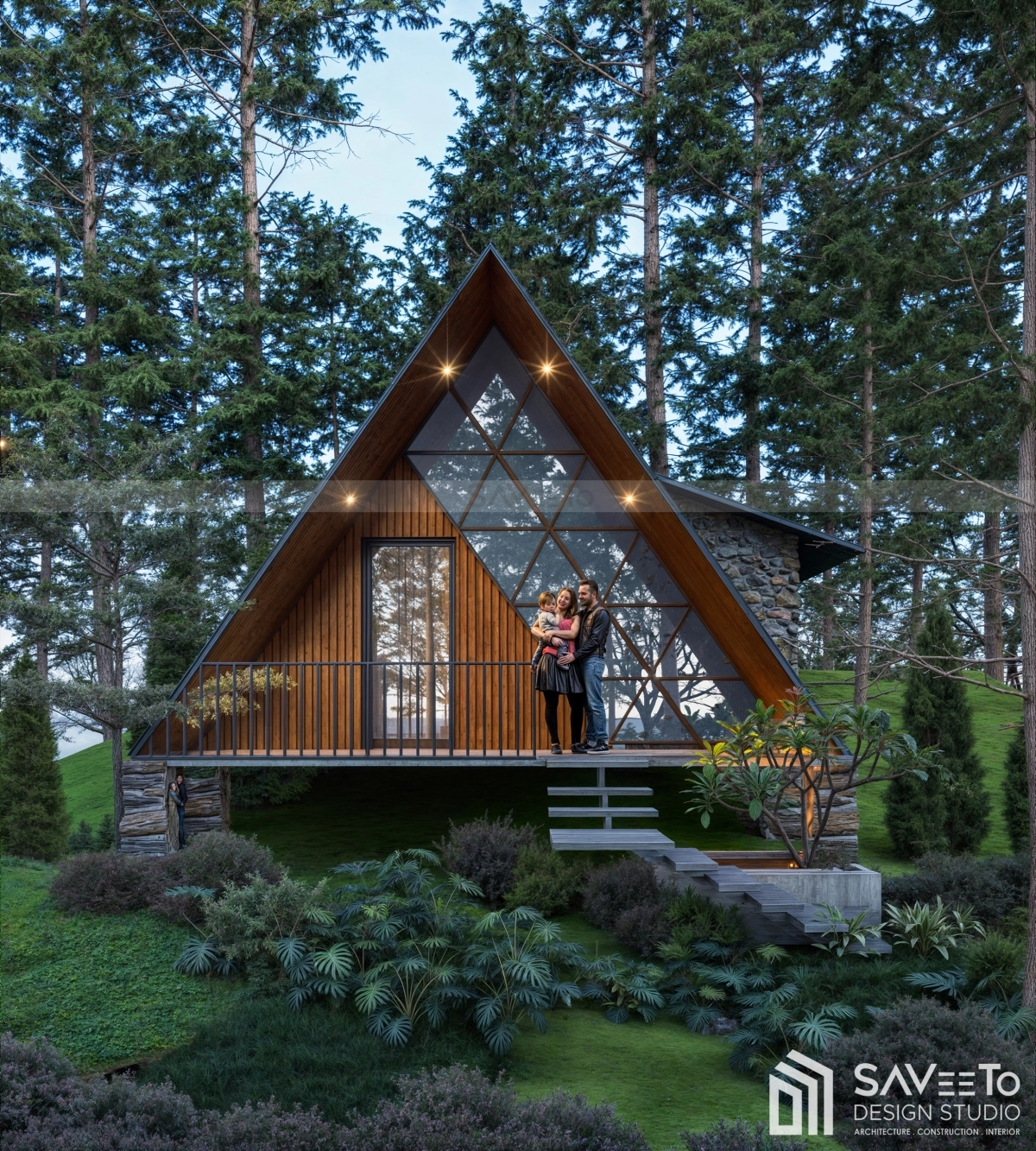
Resorts focus primarily on relaxation, wellness, and immersive escapes. The objective here is to build an oasis rather than simply providing a room for the night. Design priorities typically place emphasis on nature-inspired interiors, premium organic materials, open layouts, dedicated wellness spaces, and seamless indoor-outdoor transitions.
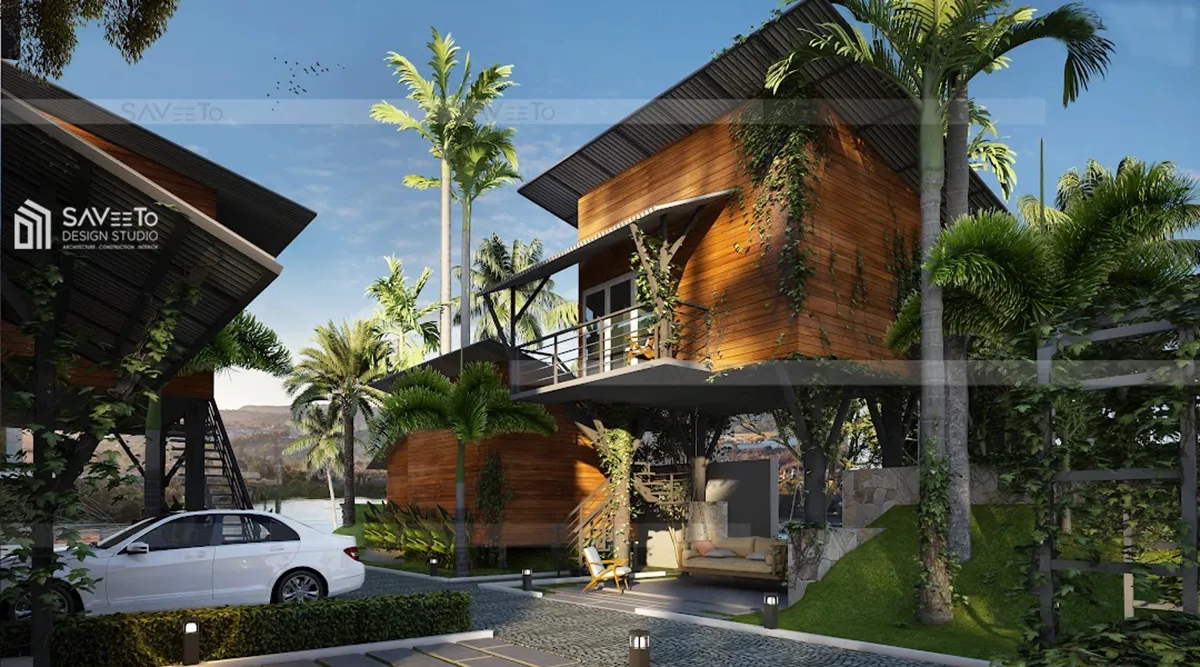
A prime example of this execution is the Silent River Resort Hospitality Project, where the natural landscape is integrated into a luxury layout that balances open-air tranquility with premium structural durability. Similarly, personalized bespoke properties like Mr. Jaslin Johns' Resort showcase how customized, boutique-scale styling can deliver highly exclusive, memorable guest stays that reflect regional character.
4. Café and Boutique Hospitality Design
Small hospitality businesses compete almost entirely through the experience they offer. Popular design features for modern cafés include statement lighting, artistic feature walls, flexible laptop-friendly workspaces, and heavily branded decor accents that transform local coffee shops into community destinations.
Essential Elements of Hospitality Interior Design
Successful hospitality projects combine visual aesthetics with calculated functionality.
Space Planning: Efficient layouts improve guest movement while reducing operational bottlenecks for staff. Well-planned spaces minimize cross-traffic congestion between guests and servers.
Lighting Design: Lighting influences mood more than almost any other design element. A professional strategy layers ambient, accent, task, and decorative fixtures to create warmth and guide spatial focus.
Material Selection: Materials must be durable, easy to maintain, slip-resistant, moisture-resistant, and fire-compliant. Natural stone, engineered wood, premium laminates, and commercial-grade performance fabrics are standard choices.
Furniture Selection: Furniture must perfectly balance style, ergonomics, and structural longevity. Guests remember how comfortable a lounge chair feels just as much as how beautiful it looks.
Color Psychology: Earth tones create immediate warmth; blues promote calm; greens represent wellness; while rich, neutral palettes and deep textures convey quiet luxury.
Latest Hospitality Interior Design Trends
Hospitality design continues to evolve alongside changing guest expectations. Current high-performing trends include:
- Biophilic design featuring living walls and natural indoor plant integration.
- Sustainable interiors using recycled, locally-sourced, low-VOC materials.
- Smart room automation allowing guests to control climate and lighting via personal devices.
- Flexible multi-purpose spaces where hotel lobbies transition from morning co-working hubs to evening lounges.
- Acoustic comfort solutions that isolate sound in dense dining rooms and guest suites.
Common Hospitality Interior Design Mistakes to Avoid
Avoiding these common execution pitfalls can save significant renovation and maintenance costs down the line:
Ignoring guest flow: Creating layouts where service paths cross directly with guest relaxation zones.
Choosing style over comfort: Buying visually striking seating that becomes uncomfortable after ten minutes.
Low-quality commercial furniture: Selecting non-commercial grade furniture that shows wear within months.
Poor acoustics: Forgetting sound absorption materials, resulting in echo-prone, loud dining spaces.
Neglecting maintenance planning: Using delicate materials in high-traffic areas that require constant, expensive upkeep.
How to Choose the Right Hospitality Interior Designer
Selecting the right design partner is one of the most critical decisions for your commercial project. When evaluating firms, ensure they possess:
- True Commercial Experience: Choose designers with a proven track record of completed hospitality projects rather than firms that focus strictly on general residential portfolios.
- Deep Industry Knowledge: Expert hospitality designers understand operational flow, commercial fire codes, guest psychology, and durable textile metrics.
- End-to-End Project Management: Look for clear communication styles, transparent budgeting, structured scheduling, and strict quality control protocols from concept to final styling handover.
Why Early Planning Matters
Postponing interior planning until construction is nearly complete often leads to design compromises, budget overruns, and expensive rework. Starting your interior space planning alongside initial architectural blueprints ensures seamless coordination between structural layouts, electrical configurations, lighting placement, and HVAC zoning.
Hospitality Interior Design Checklist
Before breaking ground on your property, ensure your team has clearly defined:
- Core business objectives and target guest demographics
- Clear brand identity guidelines
- Detailed spatial flow and traffic zoning diagrams
- Comprehensive layered lighting strategy
- Commercial material compliance and durability specifications
- Long-term facility maintenance and upkeep plan
Hospitality Interior Design Services in Kochi
Kochi has quickly become one of Kerala's fastest-growing hospitality destinations. The region is seeing a massive surge in demand for premium hotels, boutique resorts, waterfront cafés, and specialized homestays. As traveler expectations rise, professionally designed interiors play a crucial role in helping local hospitality businesses stand out in a highly competitive market.
Working with experienced hospitality interior designers in Kochi ensures that local tropical climate conditions, high humidity considerations, regional materials, and distinct cultural influences are thoughtfully incorporated into every concept.
How Saveeto Supports Hospitality Interior Projects
At Saveeto, hospitality interior design is approached with a precise balance of creative storytelling, spatial functionality, and long-term commercial value. Every project begins with a deep dive into your business goals, target audience, and operational workflows.
From initial space planning and detailed 3D visualizations to rigorous material selection and turnkey project coordination, Saveeto transforms commercial properties into high-performing, visually stunning spaces designed to deliver exceptional guest experiences.
Conclusion
Hospitality businesses succeed when they create environments that guests remember and recommend. While flawless service remains essential, your interior layout sets the stage for every single interaction. Investing in professional hospitality interior design services transforms physical real estate into a powerful extension of your brand identity, driving customer loyalty and business growth.
If you are planning a hospitality development or renovation in Kochi or across Kerala, consult with our specialists. Explore Saveeto’s Interior Design Services or Contact Us today to discuss how a strategically designed space can elevate your guest experience and maximize your business goals.
Frequently Asked Questions (FAQ)
What are hospitality interior design services?
Hospitality interior design services involve the professional spatial planning, architectural styling, and furnishing of hotels, restaurants, cafés, and resorts to maximize guest experience, brand identity, and operational efficiency.
Why is interior design crucial for hotels and restaurants?
Design directly impacts customer satisfaction, online reviews, length of stay, and repeat bookings. A well-designed space sets a premium expectation that allows businesses to command stronger rates.
How do hospitality materials differ from home interiors?
Commercial hospitality materials are built to withstand immense daily foot traffic. They feature specialized commercial ratings for fire retardancy, stain resistance, slip prevention, and structural durability that standard home materials lack.