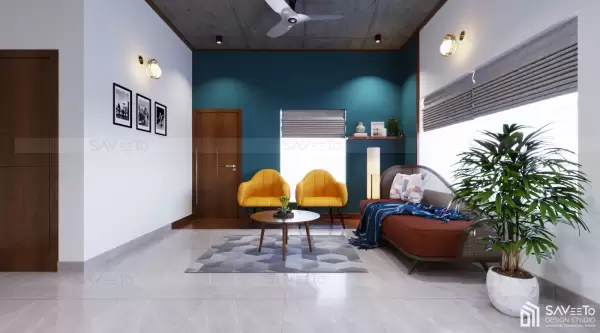
What happens when a resort design needs to feel luxurious without losing sight of the budget? Silent River Resort in Thalayoraparambu, Kerala, explores that balance through a thoughtful approach to materials, planning, and the surrounding landscape.
This upcoming hospitality project is an expansion of an existing resort in Kottayam. The design focuses on creating a tranquil guest experience while remaining conscious of construction costs. Local, easily available materials and an infinity pool overlooking the backwaters are key elements of the concept.
For resort architecture in Kerala, this project offers an important lesson: memorable hospitality spaces do not always require extravagant materials. Sometimes, the strongest designs come from understanding the site and using its natural character intelligently.
Good resort architecture in Kerala should respond to the landscape, climate, guest experience, operational needs, and project budget. Silent River Resort follows this principle by combining locally available materials, a calm architectural language, and a backwater-facing infinity pool.
Designing a Resort Around Its Surroundings
A resort should feel connected to its destination. Guests don't visit a Kerala resort only to stay inside a building. They come for the landscape, atmosphere, views, food, culture, and sense of escape.
Silent River Resort takes advantage of its setting in Thalayoraparambu, where the backwater landscape becomes part of the experience. Instead of treating the surroundings as something outside the project, the design uses the landscape as an important part of the overall concept.
Why Local Materials Can Make Sense
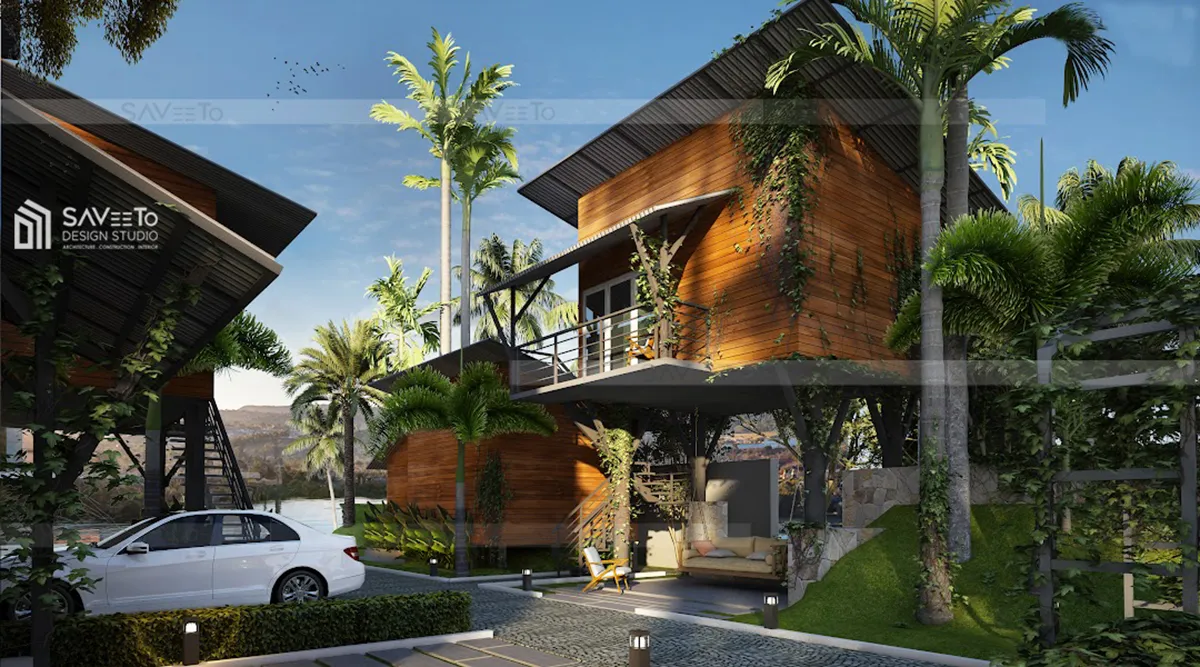
One of the key decisions in the Silent River Resort project is the use of easily available local materials.
This approach can offer several practical advantages:
Easier sourcing
Potentially simpler transportation
Familiarity among local contractors
A stronger connection with regional character
Opportunities for cost-conscious construction
Local materials can also help a new development feel more naturally connected to its setting.
The important point is that using local materials should not mean compromising on design. With thoughtful detailing, ordinary materials can contribute to a refined architectural experience.
Balancing Design and Budget
Luxury and budget consciousness are sometimes treated as opposites. They don't have to be.
For hospitality projects, design efficiency can be just as important as material selection. Instead of spending heavily on every part of a project, designers can identify where investment creates the greatest impact.
For example:
A memorable arrival, strong landscape connection, carefully designed common spaces, and a compelling view can have a greater impact on guests than expensive finishes used everywhere.
This kind of prioritization is particularly relevant when developing or expanding an existing resort.
The Infinity Pool as a Destination Feature
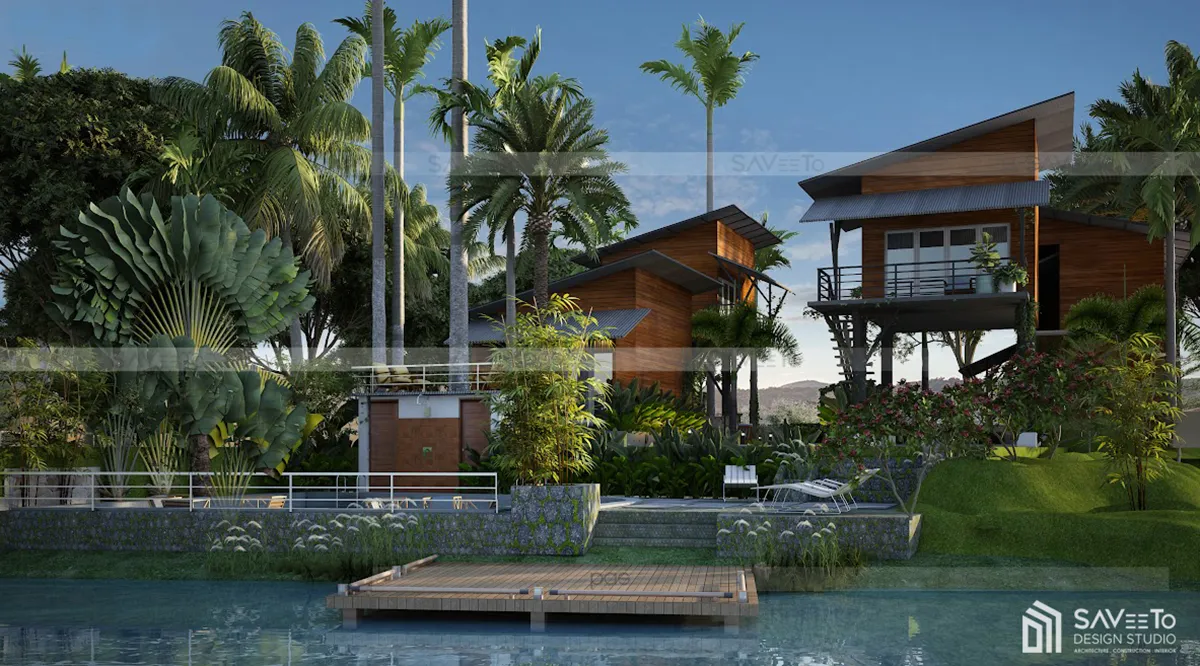
One of the standout features planned for Silent River Resort is an infinity pool overlooking the backwaters. An infinity pool can do more than provide a recreational facility. When positioned carefully, it can frame a landscape and create a strong visual connection between the built environment and its surroundings.
For a hospitality project, this can become part of the guest experience itself.
Imagine stepping into the pool and seeing the water appear to merge with the backwaters beyond. The architecture becomes quieter, while the landscape takes centre stage.
What Makes Hospitality Architecture Different?
Hospitality architecture in Kerala has to consider both emotional experience and operational requirements.
A resort may need to accommodate:
Guest rooms and private spaces
Reception and arrival areas
Dining facilities
Recreational amenities
Service and maintenance areas
Staff circulation
Parking and access
Landscape and outdoor spaces
At the same time, every guest-facing area contributes to how visitors perceive the property. That makes hospitality design a careful balance between business operations and guest experience.
Designing for Kerala's Climate
Kerala's tropical climate should be considered during the early stages of resort planning.
Design decisions can address factors such as:
Heavy seasonal rainfall
Heat and humidity
Natural ventilation
Solar exposure
Shading
Drainage
Landscape design
Material durability
A climate-responsive resort can provide a more comfortable environment while making better use of its natural surroundings. This is one reason Kerala resort design benefits from a strong connection between architecture, landscape, and site planning.
Can Sustainable Design Also Be Cost-Conscious?
Yes, although sustainability should be approached carefully rather than treated as a collection of expensive technologies. A practical approach can begin with fundamental design decisions.
Start With the Site
Understand the site's existing landscape, views, orientation, drainage, and natural features before deciding where buildings should go.
Use Materials Thoughtfully
Locally available materials can reduce unnecessary transportation and help create a regional identity, depending on sourcing and project conditions.
Prioritize Passive Design
Good orientation, shading, natural ventilation, and appropriate openings can improve comfort while reducing reliance on mechanical systems.
Protect the Landscape
Existing natural features can become an asset rather than something that needs to be removed and recreated later.
This approach can support sustainable resort architecture in Kerala without assuming that sustainability always requires high-cost solutions.
Expansion Projects Require Extra Planning
Silent River Resort is an expansion of an existing resort in Kottayam. That creates a different design challenge from starting on a completely undeveloped site.
An expansion needs to consider how the new development relates to what already exists.
Important questions include:
Does the new design complement the existing property?
Can guests move easily between old and new facilities?
Will construction disrupt current operations?
Can new amenities strengthen the overall guest experience?
Does the expansion maintain a consistent identity?
These considerations help ensure that an expansion feels like a natural evolution rather than an unrelated addition.
A Practical Approach to Resort Design
A successful resort project usually starts with the right questions.
This framework can help project owners and resort architects in Kerala make better decisions before construction begins.
The Saveeto Approach
The Silent River Resort project reflects Saveeto's approach of balancing design ambition with practical project requirements.
Rather than relying on costly materials or excessive decoration, the concept focuses on the site's natural character, locally available materials, tranquil spaces, and a strong relationship with the backwaters.
The planned infinity pool is one example of how a carefully positioned feature can create a memorable experience without needing to dominate the entire project. For hospitality projects, thoughtful prioritization can make the difference between simply building a resort and creating a destination guests remember.
Final Thoughts
The most successful resort designs often begin with a simple question: What does this place already have that the architecture can enhance?
At Silent River Resort, the answer includes the Kerala landscape, the backwaters, a sense of tranquillity, and the opportunity to create a stronger connection between guests and nature. The project demonstrates how resort design in Kerala can combine aesthetics, budget awareness, local materials, and landscape-driven planning.
If you are planning a resort, hospitality development, or expansion project in Kerala, explore Saveeto's architectural work and discuss how your site's natural character can become part of the design.